
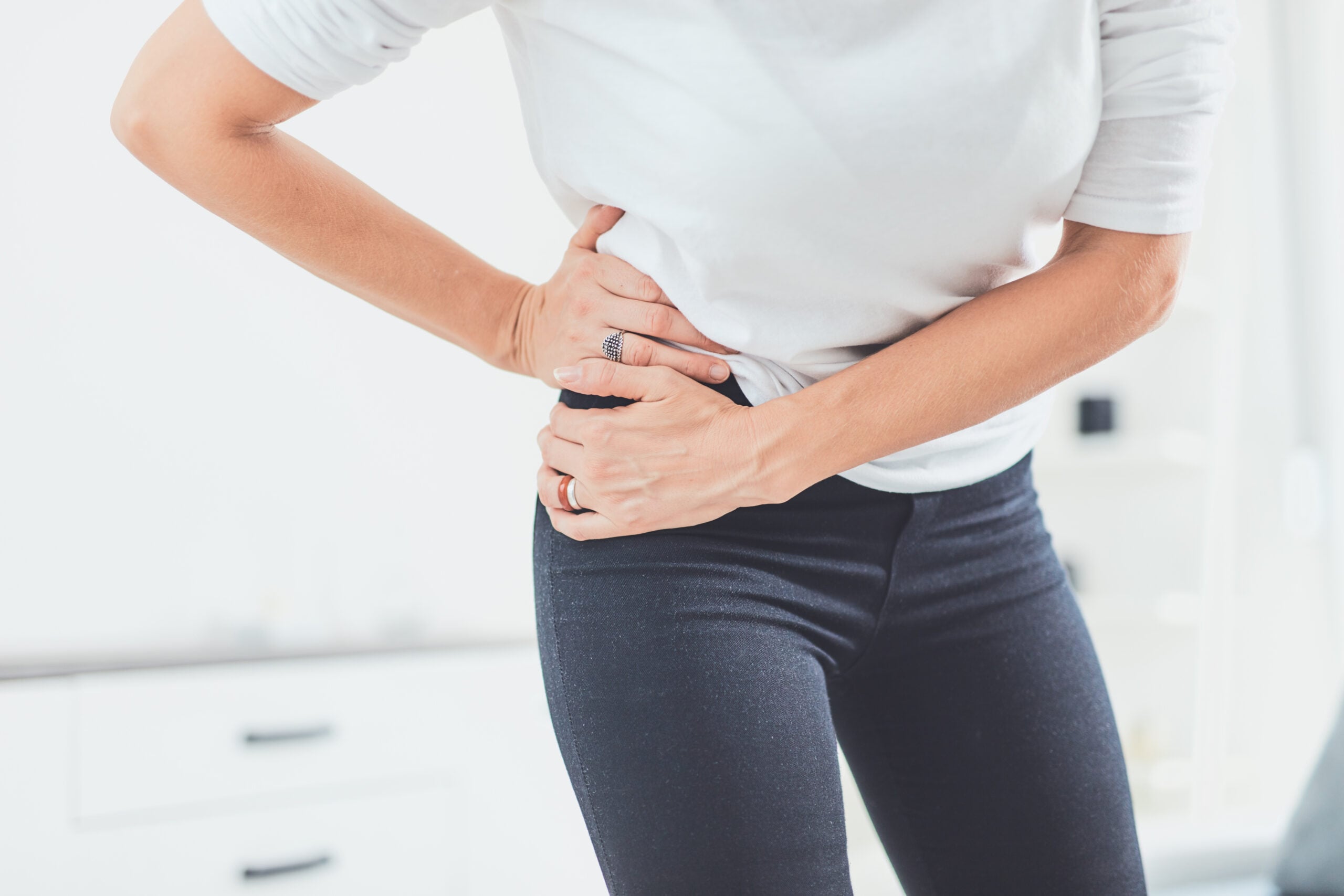
Are Adhesions the Real Cause of Hip and Groin Pain?
- Hip and groin pain is often caused by muscle and fascia adhesions, which make tissues stick together and limit how the hip moves.
- These adhesions create pinching, tightness, and radiating pain that stretching, rest, and quick fixes can’t solve because the tissue is physically stuck.
- Releasing the adhesions with SoftWave Therapy, Active Release Technique, medical massage, and targeted hip mobility restores movement and brings long-term relief.
What Are Muscle and Fascia Adhesions?
Muscle and fascia adhesions are areas where tissue becomes stuck instead of gliding smoothly the way it should. Think of them as tiny internal knots or glue-like patches that form when muscles, fascia, or nerves get irritated, overused, or inflamed. According to research, they affect up to 85% of people during their lifetimes.
Over time, these sticky spots limit how well those tissues can move. When it happens in the hips or groin, the results can be sharp pain, tightness, pulling, or a deep ache that never quite goes away.
Adhesions can develop from everyday things like sitting too long, lifting with poor form, old injuries that never fully healed, or repetitive movements from sports or workouts. Once they form, they can compress nerves, reduce circulation, and disrupt how your hips rotate, walk, or stabilize your spine.
This is why so many people with hip or groin pain have completely normal X-rays or MRIs. Adhesions don’t always show up on imaging, but they show up clearly in how your body feels, such as pinching in the front of the hip, tightness that stretching doesn’t fix, pain when lifting your knee, or a sense that something is “caught” deep in the groin area.
Signs Your Hip or Groin Pain Is Adhesion Related
Adhesion-related pain has a very specific pattern. It often feels deep, sticky, or sharp in ways that stretching or rest never fully solve. If any of these signs sound familiar, there’s a good chance adhesions are part of the problem:
- Pinching in the front of the hip when lifting your knee. This often shows up during stairs, getting into a car, or doing lunges. It feels like something is catching inside the hip.
- A tight, blocked, or stuck sensation in the groin crease. People describe it as feeling like their hip can’t rotate the way it’s supposed to.
- Pain that travels into the inner thigh, glute, or lower back. Adhesions can irritate nerves, causing pain to radiate along the hip and groin line.
- Hip tightness that never improves with stretching. If you stretch the same muscles every day and nothing changes, the issue is usually adhesions, not flexibility.
- Weakness or instability on one side during squats or single-leg movements. Adhesions limit how the hip fires, so the glutes and stabilizers struggle to activate.
- Discomfort after sitting for long periods. This happens because compressed, stuck tissues tighten even more when they’re not moving.
- A deep ache that shows up during walking or standing. Adhesions can tug on the hip flexors, adductors, and glutes with every step, causing nagging, repetitive pain.
What Causes Adhesions in the Hip and Groin Area
Adhesions don’t show up out of nowhere. They build slowly over time as your muscles, fascia, and nerves get irritated or overworked. When the body tries to protect the area, tissues can stick together instead of moving freely. These are the most common causes:
- Sitting for long hours. Extended sitting tightens the hip flexors, reduces blood flow, and encourages the tissues in the front of the hip and groin to bind together.
- Old injuries that never fully healed. Groin strains, hip flexor pulls, falls, and sports injuries often leave behind small patches of scar tissue that turn into adhesions months or years later.
- Repetitive movements from sports or workouts. Activities like sprinting, weightlifting, cycling, soccer, running, and jiu-jitsu overload the hip flexors, adductors, and glutes. Overuse and tension create perfect conditions for adhesions.
- Muscle imbalances and weak glutes. When the glutes underperform, the hip flexors and adductors take over. This extra workload causes friction and tension that can create adhesions.
- Poor posture and movement patterns. Walking with the feet turned out, collapsing at the hips, or standing with uneven weight puts stress on the tissues around the hip joint.
- Scar tissue from surgery. Even small surgical incisions or laparoscopic procedures can lead to adhesions that restrict hip and groin movement.
- Inflammation from strain or overuse. Inflammation makes tissues more likely to stick. When irritation becomes chronic, adhesions build layer by layer.
Treatments That Break Up Adhesions and Restore Hip Mobility
When adhesions are behind your hip or groin pain, stretching, foam rolling, and rest only scratch the surface. These sticky, glued-down tissues need direct, targeted work to break apart so the hip can move the way it’s supposed to. Here are the best options:
Active Release Technique (ART)
Active Release Technique is one of the most effective ways to break up adhesions in the hip and groin because it targets the exact layers of tissue that get stuck. Your therapist applies precise pressure while guiding your leg through specific movements. This combination forces the muscle and fascia to separate and glide again instead of clumping together.
ART is especially helpful for:
- Deep hip flexor tightness
- Groin strains and adductor issues
- Piriformis-related nerve irritation
- Restricted rotation or a blocked feeling in the hip
Most patients notice immediate improvements in mobility because ART releases the tissue that has been stopping the hip from moving.
SoftWave Therapy
SoftWave Therapy uses gentle acoustic waves that reach deep into the tissue. These waves help break up scar tissue, calm inflammation, and trigger your body’s natural healing response. SoftWave also improves blood flow and activates dormant stem cells, which helps restore healthier tissue over time.
SoftWave is powerful for adhesion-related hip pain because it:
- Softens thick, bound-up fascia
- Reduces inflammation around irritated nerves
- Improves circulation in hard-to-reach areas like the psoas
- Supports long-term healing instead of temporary relief
Sports Massage Therapy
Sports Massage Therapy focuses on the deeper layers of the hip and groin, where adhesions tend to hide. Instead of general relaxation, the work is slow, targeted, and specific to the areas that have become stiff or glued down.
It helps by:
- Reducing chronic muscle tension
- Improving blood flow to restricted tissues
- Breaking up dense knots and tight bands
- Supporting better movement between sessions
Hip Mobility and Strengthening Work
Once adhesions are released, the hip needs to relearn how to move correctly. Mobility and strengthening drills, along with stretching exercises keep the tissue gliding smoothly and prevent adhesions from returning.
Key benefits include:
- Better activation of the glutes to reduce hip flexor overload
- Improved joint stability
- More balanced movement patterns
- Stronger support for the lower back and pelvis
How to Tell If You Need Professional Treatment
Adhesions don’t break down on their own. Once the tissue sticks, it stays stuck until something physically releases it. Stretching can’t separate those layers, and rest often makes things tighter because circulation slows and the tissue stiffens even more.
Here are the clearest signs it’s time for hands-on treatment:
- Pain keeps returning after rest or stretching. A repeating cycle almost always points to adhesions.
- Pinching or a blocked feeling in the hip area. Especially when lifting your knee or rotating your hip.
- Tightness that never improves, even with consistent stretching. If it hasn’t changed in weeks, the tissue is stuck.
- Pain after sitting or during longer walks. Restricted tissues compress and irritate the nerve.
- Weakness or instability on one side. Adhesions prevent proper muscle activation.
- Radiating discomfort into the groin, thigh, or glute. A sign nerves are getting irritated by restricted tissue.
- Difficulty with simple movements like tying shoes or getting out of a car. Everyday actions expose how limited the hip has become.
Get Long-Term Relief from Hip and Groin Pain
Hip and groin pain can take over your life when everyday movements feel tight, sharp, or restricted. If stretching hasn’t helped and the pain keeps coming back, it’s usually because the deeper layers of tissue are stuck.
At FixingPain Clinic, we use techniques like Active Release Technique, SoftWave Therapy, Sports Massage Therapy, and targeted mobility work to restore healthy tissue glide and calm irritated nerves. When the underlying restriction is addressed, pain fades, mobility improves, and your hip starts feeling strong and stable again.
You don’t have to live with the same cycle of tightness and flare-ups. Book your appointment and let’s fix pain together.