
Get Help for Jaw Pain, Headaches, and Neck Tension
TMJ Treatment in Pleasanton, CA
We use hands-on TMJ-focused massage therapy to reduce tension, restore jaw comfort, and help you feel normal again.

Why Is TMJ Pain So Persistent?
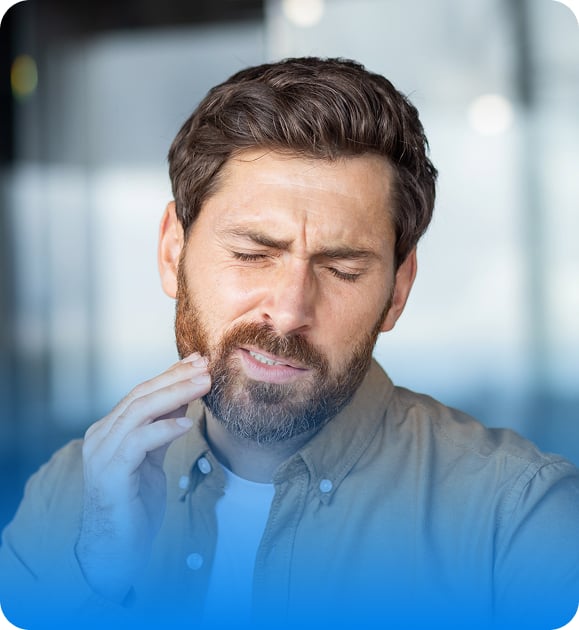
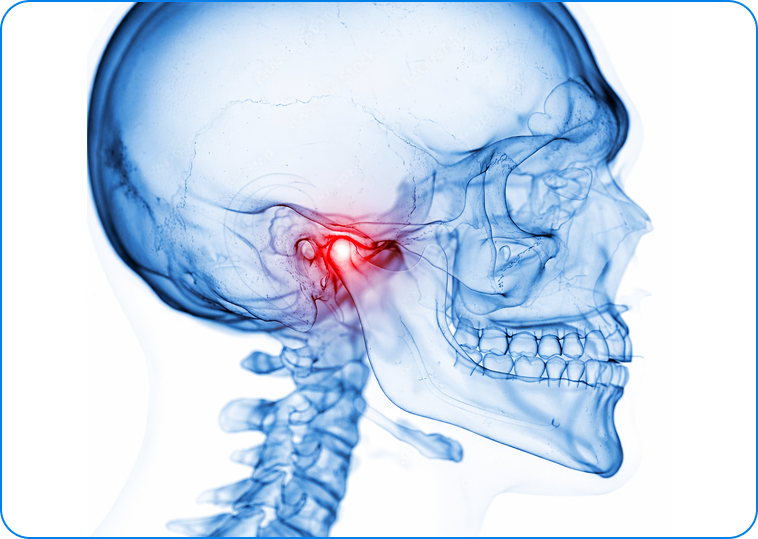
Temporomandibular joint (TMJ) pain often lasts because the jaw becomes stuck in a tension cycle. Tight muscles irritate the joint, the body protects the area by tightening more, and movement becomes increasingly restricted.
Stress, clenching, posture, and daily habits keep this loop active, which is why symptoms often return even after temporary relief. Pain may also spread beyond the jaw, contributing to headaches, ear pressure, and neck tension.
TMJ Symptoms We Help With
TMJ dysfunction can show up in more places than just the jaw.
Because the jaw shares muscles and nerve pathways with the head, neck, and shoulders, symptoms often feel widespread and confusing.
We commonly help clients experiencing:
Jaw pain, tightness, or fatigue
Clicking, popping, or grinding when opening or closing the mouth
Jaw locking or limited opening
Headaches or migraines linked to jaw tension
Ear pain, pressure, or ringing without infection
Facial pain or tenderness around the cheeks and temples
Neck and shoulder tension connected to jaw strain
Tooth pain without a clear dental cause
Pain when chewing, talking, or yawning
How TMJ-Focused Massage Therapy Helps
TMJ-focused massage therapy reduces the muscle tension and tissue restriction that place stress on the jaw joint by:
Releasing tight jaw muscles that contribute to pain and clenching.
Reducing trigger points that refer pain into the head and face.
Improving mobility of the jaw, neck, and surrounding fascia.
Decreasing pressure on irritated nerves.
Calming the nervous system to reduce unconscious jaw tension.
Techniques Used to Reduce Jaw Tension and Restore Movement
Every TMJ session at FixingPain Clinic is customized based on your symptoms, movement patterns, and comfort level. Treatment focuses on releasing tension, improving mobility, and reducing strain on the jaw and surrounding tissues.

External jaw release
to reduce tension in the masseter and surrounding muscles.
Intraoral massage
Myofascial release
Trigger point therapy
Neck and upper shoulder work
affecting the jaw.
Suboccipital release
Postural muscle balancing
What Is TMJ Intraoral Work?
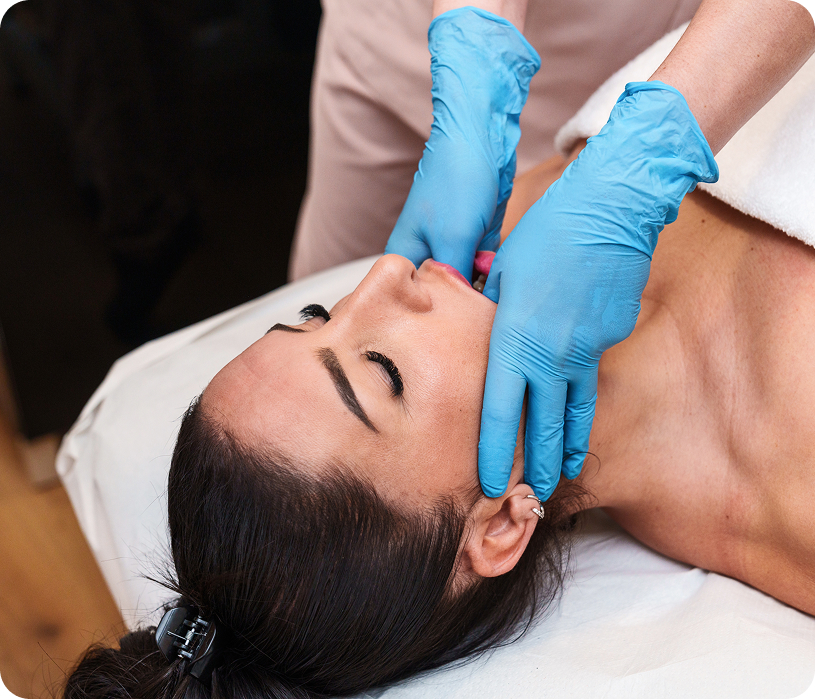
TMJ intraoral work is a gentle manual therapy performed inside the mouth to reach deeper
jaw muscles that cannot be accessed externally. These muscles play a major role in clenching, jaw tightness, and restricted opening, yet they are often the source of persistent symptoms.
During treatment, gloved hands are used to apply slow, controlled pressure to specific muscles while you remain fully in control of comfort and intensity. Many clients notice reduced tension and easier jaw movement almost immediately.
Intraoral work is always optional, explained beforehand, and performed only with your consent.

TMJ, Headaches & Neck Pain
Are Connected
Many people come in for headaches or neck tension without realizing their jaw may be involved.
You might notice tightness in your temples by the end of the day, pressure around the ears, or headaches that return no matter how much you stretch your neck or adjust your posture. Sometimes the jaw feels tired, clicks when opening, or stays subtly clenched without you noticing.
Because the jaw shares muscles and nerve pathways with the head and neck, tension in one area often spreads to the others. The body compensates, muscles work overtime, and discomfort begins to move instead of fully resolving..
What to Expect During a TMJ Session at FixingPain Clinic
During your TMJ session at our Pleasanton clinic, treatment is tailored to your symptoms and comfort level.
1. A conversation about your symptoms and habits.
2. Assessment of the jaw, neck, and posture.
3. Personalized hands-on treatment.
4. Guided movement when helpful.
5. Aftercare and practical guidance.
Is Non-Surgical TMJ Treatment Effective?
Non-surgical TMJ treatment focuses on improving how your jaw feels and functions over time, not just creating temporary relief during the session. Common outcomes may include:
Reduced jaw pain and tightness.
Easier opening and closing of the mouth.
Fewer tension headaches or facial pressure episodes.
Less neck and shoulder tension connected to jaw strain.
Decreased clenching or jaw fatigue throughout the day.
Improved comfort when chewing, talking, or yawning.
Results vary depending on how long symptoms have been present and the underlying contributors, but many people begin noticing changes as tension patterns start to reset.

Who Is a Good Candidate for TMJ Massage Therapy?
You may be a good candidate if you:
Wake up with jaw tightness or soreness.
Clench or grind your teeth, especially during stress or sleep.
Experience frequent headaches, facial tension, or pressure around the temples.
Notice jaw clicking, stiffness, or limited opening.
Spend long hours at a desk or on devices with forward head posture.
Feel neck and shoulder tension that seems connected to your jaw.
Have tried dental appliances or night guards, but still feel tight or painful.
Want a non-invasive approach before considering medication or surgery.
Book TMJ Massage Therapy in Pleasanton, CA
If you are dealing with jaw pain, headaches, or chronic tension, TMJ-focused massage therapy may help address the muscular causes of your discomfort.