
Can Massage Therapy Help With Chemo-Induced Neuropathy?
- Massage therapy may help some people with chemo-induced neuropathy manage discomfort, sensitivity, stiffness, and movement challenges, but it should be used as supportive care, not a cure.
- Post-chemo neuropathy treatment often focuses on symptom management, safety, comfort, and quality of life while working alongside your oncology team or medical provider.
- Gentle massage therapy, hands-on soft tissue work, and SoftWave Therapy may support comfort, movement, and daily function when they are safe and appropriate.
What Is Chemo-Induced Neuropathy?
Chemo-induced neuropathy, also called chemotherapy-induced peripheral neuropathy (CIPN), happens when certain cancer treatments affect the peripheral nerves. These are the nerves outside the brain and spinal cord, and they help control sensation, movement, and how your body responds to touch, temperature, and pain.
For many people, chemo-induced neuropathy shows up in the hands and feet. Symptoms may include numbness, tingling, burning, pins and needles, sensitivity, weakness, balance changes, or difficulty with everyday tasks that require steady footing or fine hand movement.
Some people notice symptoms during chemotherapy. Others continue feeling them after treatment is finished. The timeline can vary from person to person, which is why it is important to keep your oncology team or medical provider involved if symptoms are new, worsening, or affecting your safety.
Why Post-Chemo Neuropathy Can Be So Frustrating
Many people expect daily life to feel easier once chemotherapy is over, but lingering neuropathy can make recovery feel more complicated. Numbness, tingling, burning, or sensitivity in the hands and feet can affect how you walk, sleep, exercise, drive, cook, work, and move through your normal routine.
Foot symptoms can make it harder to trust the ground beneath you. Stairs, uneven sidewalks, long walks, and standing for long periods may start to feel less stable. Hand symptoms can make small tasks more frustrating, including writing, buttoning clothes, opening containers, holding objects, or using tools.
There is also an emotional side to this. When your treatment is finished but your body still feels limited, it can feel discouraging. You may want to get back to normal, but your nerves, balance, and comfort level may need extra support.
That’s why many people start searching for neuropathy pain relief options. They are often looking for safe, realistic ways to manage symptoms, feel more comfortable, and improve quality of life while continuing to follow medical guidance.
What Are the Standard Medical Options for CIPN?
If you have neuropathy symptoms during or after chemotherapy, your cancer care team should be your first stop. They can help determine whether your symptoms are related to treatment, another medical issue, or a combination of factors.
During active chemotherapy, your oncology team may monitor symptoms and adjust treatment if neuropathy becomes severe. After chemotherapy, care usually focuses on symptom management, safety, balance, comfort, and daily function.
For painful CIPN, your doctor may discuss medication options. ASCO guidelines identify duloxetine as the medication with the strongest evidence for established painful chemotherapy-induced peripheral neuropathy, although the expected benefit may be limited.
Supportive care may also include physical therapy, occupational therapy, exercise, balance work, home safety changes, or integrative therapies. Massage therapy may fit into that larger support plan when it is safe and appropriate, but it should not replace oncology care or medical treatment.
Can Massage Therapy Help With Chemo-Induced Neuropathy?
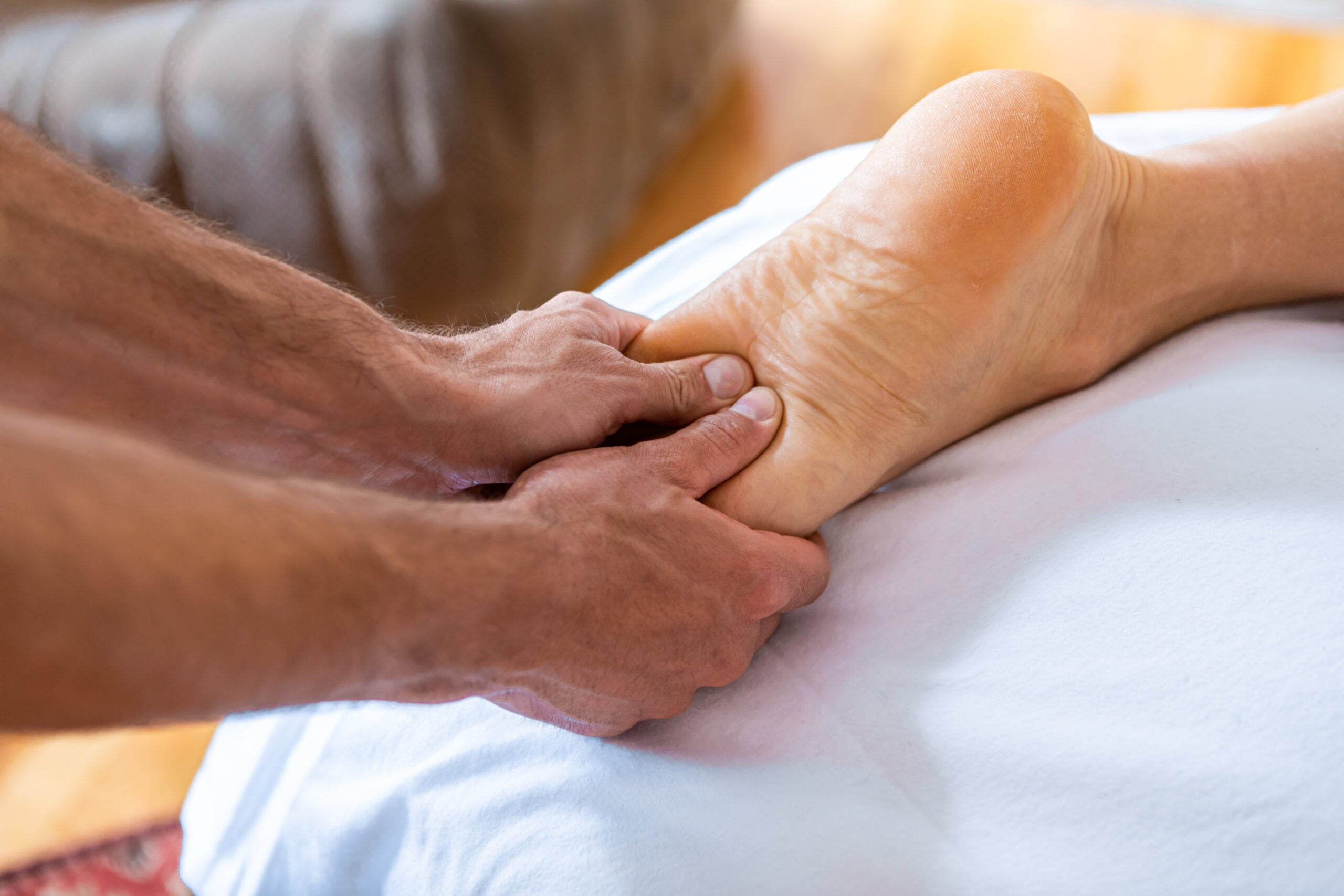
Massage therapy may help some people manage chemo-induced neuropathy symptoms by supporting comfort, relaxation, soft tissue mobility, circulation, and movement confidence. It should be viewed as supportive care, not a cure for chemotherapy-induced peripheral neuropathy or a replacement for oncology care.
For some clients, post-chemo neuropathy symptoms are paired with tight calves, stiff feet, hand tension, guarding, stress, or reduced activity. Gentle massage and hands-on soft tissue work may help ease some of that surrounding tension so daily movement feels more manageable.
Research on massage for chemotherapy-induced peripheral neuropathy is still developing, but early findings are promising. One pilot randomized study looked at oncology massage for lower-extremity CIPN and found that massage was feasible, with better outcomes appearing in the group that received massage to the affected area three times per week for four weeks.
That doesn’t mean massage is a proven cure or guaranteed post-chemo neuropathy treatment. It does suggest that massage may be worth considering as part of a supportive care plan, especially when the goal is symptom management, comfort, and quality of life.
The key is to work with the body carefully. That means using appropriate pressure, avoiding areas that should not be touched, and adjusting the session based on sensitivity, fatigue, pain levels, and medical history.
When Massage May Not Be Appropriate
Massage therapy can be helpful for some people after chemotherapy, but timing and safety matter. If you are still in active treatment or have recently finished treatment, it is best to ask your oncology team whether massage or hands-on therapy is appropriate for you.
Massage may need to be delayed or modified if you have low platelet counts, easy bruising, infection risk, blood clot concerns, unexplained swelling, open wounds, fragile skin, recent surgery, radiation sensitivity, ports, medical devices, or areas your care team has told you to avoid.
You should also get medical guidance first if your symptoms are getting worse quickly, you have sudden weakness, new balance problems, severe pain, fever, redness, swelling, or any new symptoms that feel unusual for you.
A safe session should never feel aggressive or forced. The pressure, positioning, and treatment area should all be adjusted based on your medical history, sensitivity, fatigue level, and comfort that day.
Where SoftWave Therapy May Fit Into the Conversation
For some clients, post-chemo neuropathy symptoms are part of a bigger movement picture. Numbness, tingling, burning, or sensitivity may be paired with tight calves, stiff feet, restricted ankles, hand tension, or soft tissue discomfort that affects how they walk, stand, or move through daily life.
At FixingPain Clinic, care may include massage therapy, hands-on soft tissue work, and SoftWave Therapy when appropriate. SoftWave Therapy uses acoustic wave technology to support circulation, comfort, and the body’s natural tissue response in targeted areas.
For post-chemo neuropathy symptoms, we use SoftWave as supportive care. It doesn’t replace oncology care, diagnose neuropathy, or claim to repair chemotherapy-related nerve damage. The goal is to help support comfort, movement, and quality of life while working alongside your medical guidance.
If you want to see how this type of care may support neuropathy-related symptoms in a real case, you can also read our client story about diabetic neuropathy pain relief and how SoftWave Therapy and massage helped one client walk with more confidence.
Every client’s situation is different, especially after cancer treatment. That’s why we start with your story, your health history, your current symptoms, and any guidance from your medical team before deciding what kind of care makes sense.
A Supportive Next Step for Post-Chemo Neuropathy
Post-chemo neuropathy can be frustrating, especially when treatment is finished but numbness, tingling, burning, or sensitivity still affects your daily life. While massage therapy cannot cure chemo-induced neuropathy or replace oncology care, it may offer supportive relief for comfort, tension, movement, and quality of life.
We take a careful, personalized approach. We start with your story, your symptoms, your health history, and any guidance from your medical team before deciding whether massage therapy, hands-on soft tissue work, or SoftWave Therapy may be appropriate.
If you’re ready to explore post-chemo neuropathy treatment support in Pleasanton, book an appointment and let’s fix pain together.