
The Rise of Neurological-Based Pain Therapy in Hybrid Recovery Care
- Neurological-based pain therapy helps retrain how your brain and nerves communicate with your body, addressing the root cause of chronic pain.
- Hybrid recovery models combine hands-on treatments like SoftWave and ART with virtual tools and neuro-driven tech such as NeuFit.
- Together, these approaches create personalized, data-informed recovery plans that promote long-term healing, not just temporary relief.
What Is Neurological-Based Pain Therapy?
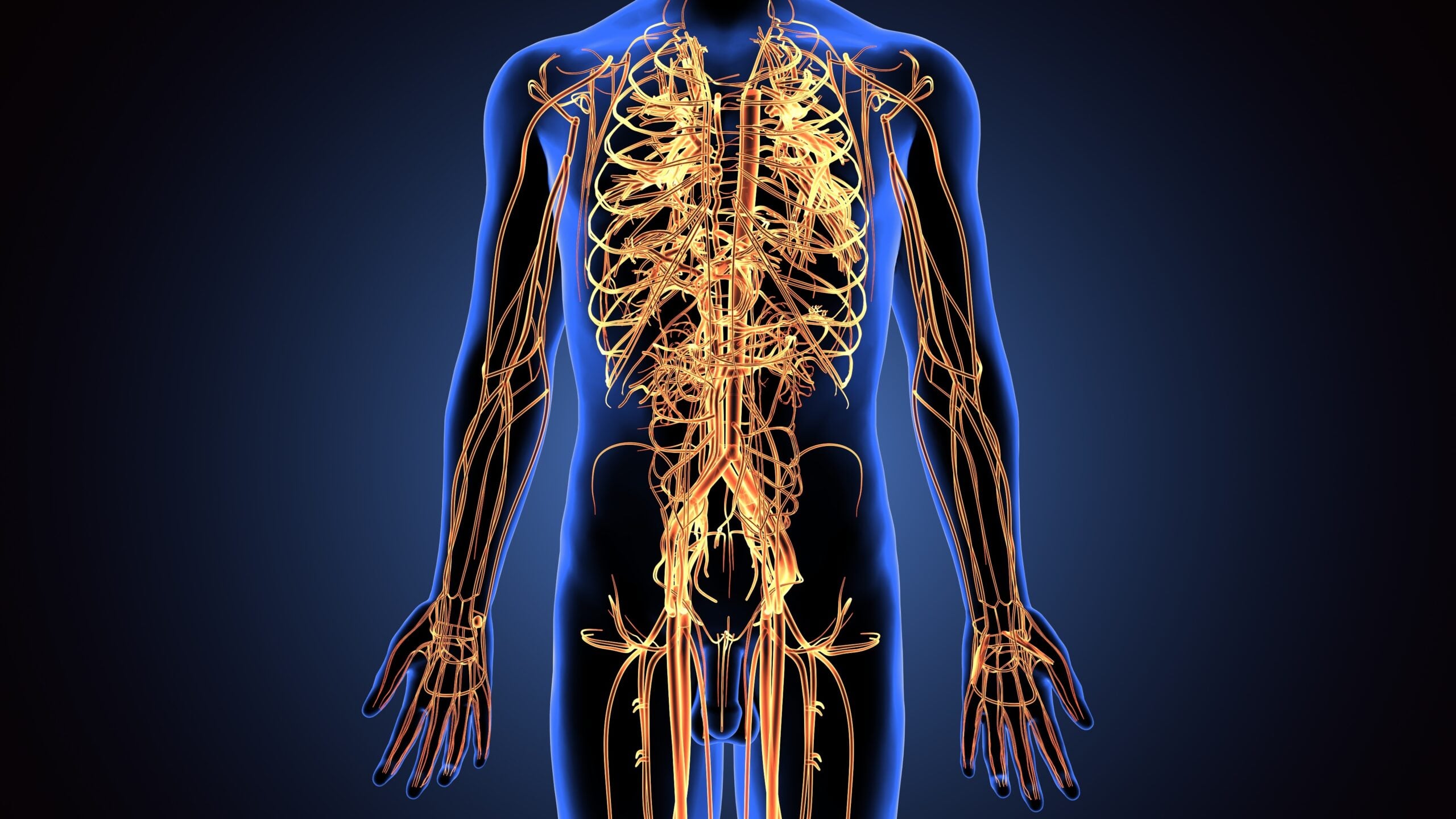
Most people think of pain as a muscle or joint problem, but it is often in the nervous system. Neurological-based pain therapy focuses on retraining how your brain and nerves communicate with your body. When that connection gets disrupted after an injury, surgery, or long-term tension, the body can stay stuck in a pain pattern even after tissues have healed.
Around 20% of U.S. adults (over 50 million) report chronic pain lasting most days or every day. Without interventions that go beyond the joint, the nervous system can keep reinforcing the pain signals.
Neurological-based therapy targets that root layer. By stimulating and retraining the nervous system, it teaches your body to move, relax, and recover the way it was meant to.
Modern tools like NeuFit therapy use gentle electrical stimulation to activate underused muscles and restore communication between the brain and body. Other techniques might include movement retraining, balance work, or coordination drills designed to help your nervous system trust motion again.
The goal isn’t just to dull discomfort. It’s to help your body work smarter, not harder, so pain fades naturally as mobility and function return.
How the Nervous System Shapes Pain and Recovery
Every ache, twinge, or muscle spasm starts with a message from your nervous system. When everything’s working right, those signals help protect you by telling your brain, “Something’s wrong, take it easy.” But when those same nerves stay on high alert for too long, the warning system can turn into the problem itself.
That’s the tricky part about chronic pain. The body heals, but the brain keeps firing the same pain messages out of habit. The longer those patterns continue, the more sensitive the nervous system becomes. Even light pressure or gentle movement can start to feel painful.
This is where neurological-based pain therapy makes such a difference. By retraining the nervous system, it helps calm those overactive pain pathways and rebuild healthy communication between brain and body. Over time, this process teaches your system to respond normally again so that movement feels safe, natural, and pain-free.
How the Hybrid Model Combines Tech and Hands-On Care
The future of recovery isn’t just happening in the clinic. It’s happening everywhere you move. The hybrid model blends traditional, in-person therapy with virtual guidance and tech-driven support, giving patients the best of both worlds.
In a typical hybrid approach, you might come into the clinic for treatments like SoftWave, Active Release Technique (ART), or medical massage, then continue progress at home through personalized movement plans, virtual check-ins, or guided recovery apps. This structure keeps momentum going between visits and helps track how your body responds in real time.
For people managing chronic pain, this approach offers consistency that standard care often misses. Instead of losing progress between sessions, patients stay engaged and supported, no matter where they are. It’s flexible, data-informed, and built around your lifestyle rather than the other way around.
At FixingPain Clinic, this hybrid mindset is a natural extension of how we already work: combining the personal touch of expert care with forward-thinking tools that make recovery smarter and more sustainable.
The Role of NeuFit and Other Neuro-Driven Technologies
One of the most promising developments in neurological-based pain therapy is the rise of technologies that help retrain the nervous system in real time. NeuFit, for example, uses direct current stimulation to “wake up” dormant muscles and teach the body how to move without pain.
When injury or chronic tension disrupts communication between the brain and muscles, certain areas can become underactive while others overcompensate. The NeuFit device identifies those imbalances and delivers gentle, targeted electrical currents that re-establish proper nerve signaling. Patients feel muscles activate instantly, sometimes in ways they haven’t in years.
What makes neuro-driven tools like NeuFit so valuable is how they blend with hands-on care. For example, SoftWave Therapy can help repair tissue and reduce inflammation, while NeuFit focuses on retraining the nervous system that controls those tissues. Together, they create faster, more complete recovery outcomes.
In a 2021 study, participants with chronic orthopedic pain underwent sessions using the NeuFit device over seven weeks. They reported decreased pain and improved range of motion, along with measurable increases in heart-rate variability and better sleep efficiency, indicating improved nerve and autonomic system function.
These technologies don’t replace skilled practitioners, but empower them. By combining advanced feedback systems with personalized, hands-on expertise, clinics can tailor treatment plans that work with the body’s natural healing processes.
The result is better movement, less pain, and a nervous system that finally learns to relax again.
Why Personalization Is the Future of Pain Therapy
No two people experience pain the same way. What causes severe discomfort in one person might barely register in another because pain isn’t just physical. It’s shaped by the brain, the nervous system, past injuries, and even daily stress. That’s why a personalized approach is quickly becoming the gold standard in pain therapy.
Neurological-based and hybrid models make personalization possible on a whole new level. Tools like NeuFit, SoftWave, and movement assessments can measure how your body and nervous system respond in real time. From there, treatment plans can adapt to your unique patterns of tension, weakness, and sensitivity.
Instead of following a one-size-fits-all routine, patients receive care that evolves with them. If your pain decreases or mobility improves, your program shifts to ensure steady progress without overloading the body.
This approach builds resilience. By understanding how your nervous system responds to treatment, therapists can help you move more freely, recover faster, and stay active longer.
Find Relief Through Smarter, More Connected Care
Pain recovery is evolving and it’s becoming more personal. Neurological-based pain therapy and hybrid recovery models bring together advanced technology, hands-on care, and a deeper understanding of how the nervous system drives healing. It’s not just about managing symptoms anymore, but about restoring movement, confidence, and balance in a way that fits your life.
At FixingPain Clinic, we’re continuing to expand what recovery can look like. By combining proven therapies like SoftWave and sports massage therapy with innovative hybrid care tools, we help you move beyond pain toward long-term wellness.
Let’s fix pain together. Book your appointment and start building a recovery plan designed around you.