
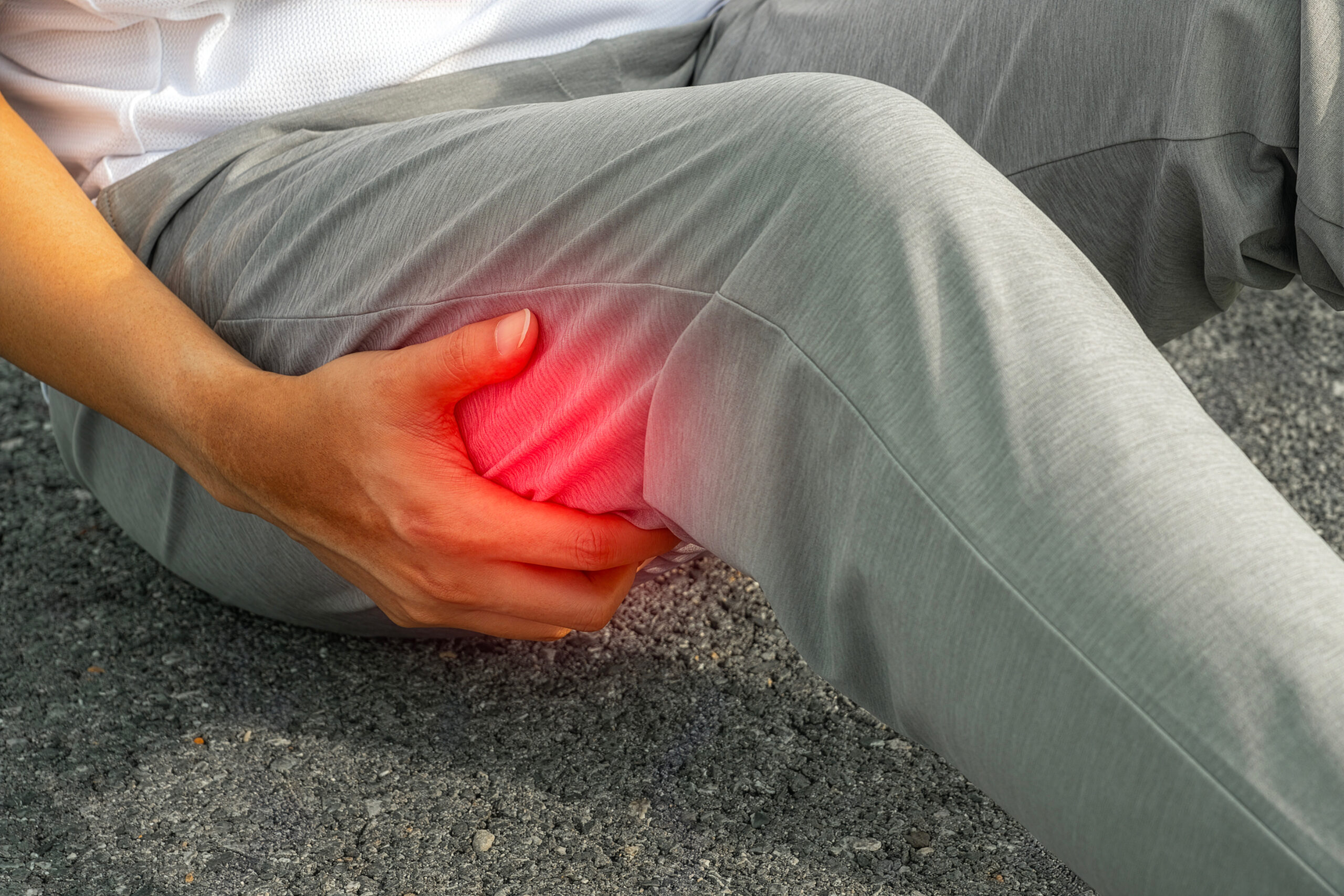
Why Do My Hamstrings Still Feel Tight After Stretching?
- Your hamstrings may still feel tight because stretching provides temporary relief without addressing muscle fatigue, overload, or weakness.
- The pulling sensation may also come from sciatic nerve sensitivity or restrictions involving your hips and lower back.
- If the tightness keeps returning, you may need strengthening, regular movement, workload adjustments, or targeted treatment in addition to stretching.
Does Feeling Tight Mean Your Hamstrings Are Actually Short?
Hamstrings can have limited flexibility, but feeling tight doesn’t always mean they have physically shortened. Stiffness, fatigue, soreness, sensitivity, and your nervous system can produce a similar sensation.
Flexibility tests don’t measure the hamstrings in isolation. Hip position, pelvic movement, the lower back, the sciatic nerve, and your tolerance of the stretch can all influence how far you move.
Long periods of sitting may leave the thighs feeling stiff when you stand. This doesn’t prove that sitting has permanently shortened the hamstrings. Changing positions more often may be more useful than stretching harder.
Why Does Stretching Help Only Temporarily?
Stretching can increase range of motion, but relief may fade when the activity or workload behind the sensation remains unchanged. It may improve comfort without resolving fatigue, weakness, nerve sensitivity, or an old injury.
A 2023 systematic review and meta-analysis included 27 randomized controlled trials and 606 participants. Both static and dynamic stretching improved hamstring range of motion, while repeated static stretching produced greater gains in some longer-term comparisons.
Stretching is useful, although one quick session may not produce lasting change. Technique and the reason for the restriction matter. Pulling harder can irritate a sensitive area without addressing why the sensation returns.
Can Weak or Overworked Hamstrings Feel Tight?
Fatigued, overloaded, or unprepared hamstrings may feel persistently tight. Stretching doesn’t build the strength needed for running, lifting, and repeated bending.
Increasing mileage, adding heavier weights, or returning to exercise after time away can make the muscles feel guarded or sore. The same can happen when the hamstrings compensate as nearby muscles fatigue.
A systematic review of 55 eligible studies found that resistance training improved range of motion, with no significant difference between resistance training and stretching for flexibility gains. Exercises performed through a comfortable range can build mobility and capacity together.
Exercises such as bridges, controlled hip hinges, or leg curls may help, but the right plan depends on your symptoms and should progress gradually.
Could the Tight Feeling Be Related to the Sciatic Nerve?
A pulling sensation along the back of the thigh can sometimes involve the sciatic nerve. It travels from the lower back through the hip and down the leg, so common hamstring stretches can also place it under tension.
Tingling, burning, numbness, electric sensations, or symptoms extending below the knee make nerve involvement more likely. The feeling may also change when you move your ankle, neck, or lower back.
When symptoms follow a sciatic pattern, sciatica treatment may need to consider the lower back, hips, and surrounding tissues rather than focusing only on the hamstrings.
Understanding the difference between nerve pain and muscle pain can help you recognize when ordinary stretching may not be the right response.
Can Your Hips or Lower Back Affect How Your Hamstrings Feel?
Hip mobility, lower-back sensitivity, prolonged sitting, and pelvic movement can influence the tension you feel behind the thigh. The hamstrings work with the glutes, hips, and lower back whenever you walk, bend, or lift, so an assessment should look beyond the tight area.
Pain that begins in the lower back or buttock and travels into the leg may follow a different pattern. In that situation, massage for sciatica and lower-back pain should reflect the source of the symptoms rather than focusing only on the hamstrings.
Can Massage Help Hamstrings That Always Feel Tight?
Massage may improve comfort and range of motion when muscle tension or soft tissue sensitivity contributes to the problem. Its effects are more useful when they support appropriate movement, strengthening, recovery, and workload changes.
Depending on the assessment, sports massage therapy may address the hamstrings, glutes, hips, calves, or lower back using targeted pressure, stretching, and guided movement.
When a soft tissue restriction is involved, Active Release Techniques may combine precise pressure with movement. Hands-on care may make movement easier, but it cannot diagnose a nerve problem, repair a significant strain, or replace rehabilitation.
What Should You Do When Hamstring Stretching Is Not Helping?
If the tightness keeps returning, consider the broader pattern before stretching more aggressively. Look for a combination of movement, strength, recovery, and treatment that matches what your body is experiencing.
- Reduce the intensity of the stretch. A stronger pulling sensation doesn’t guarantee a better or longer-lasting result.
- Use dynamic movement before activity. Gentle leg swings, walking, or activity-specific movements may prepare the area without a prolonged hold.
- Build strength through a comfortable range. Gradually loaded hinges, bridges, or leg curls can help the hamstrings tolerate more work.
- Review recent activity changes. New workouts, faster running, heavier lifting, or more sitting may explain the change.
- Change positions during the day. Short walks may help more than one long stretch after hours of sitting.
- Pay attention to nerve-like symptoms. Tingling, numbness, burning, or radiating pain shouldn’t be treated like ordinary muscle tightness.
When Should You See a Professional About Hamstring Tightness?
Arrange an assessment when the tightness repeatedly returns, affects walking or exercise, remains mainly on one side, or comes with pain, weakness, numbness, or tingling.
A sudden pop followed by bruising, swelling, or difficulty bearing weight may indicate an injury. Symptoms extending below the knee or changing with spinal movement may involve a nerve.
Seek urgent medical care if leg symptoms occur with severe or progressive weakness, loss of bladder or bowel control, or numbness around the groin.
How Can FixingPain Clinic Help With Recurring Hamstring Tightness?
At FixingPain Clinic, we look at how your hamstrings, hips, glutes, lower back, and surrounding tissues respond during movement. Treatment may combine targeted massage, guided movement, myofascial techniques, or ART based on what the assessment finds.
If stretching provides only temporary relief, an individualized assessment can help identify what keeps bringing the tight feeling back. Book a session with FixingPain Clinic in Pleasanton and let’s fix pain together.