
How to Manage MS Pain With Medical and Supportive Care
- MS pain is best managed with a personalized plan because it can come from nerve irritation, muscle spasms, stiffness, posture changes, fatigue, or reduced mobility.
- Medical treatments may help nerve pain and spasticity, while non-drug options like physical therapy, stretching, gentle movement, and massage therapy can support comfort and function.
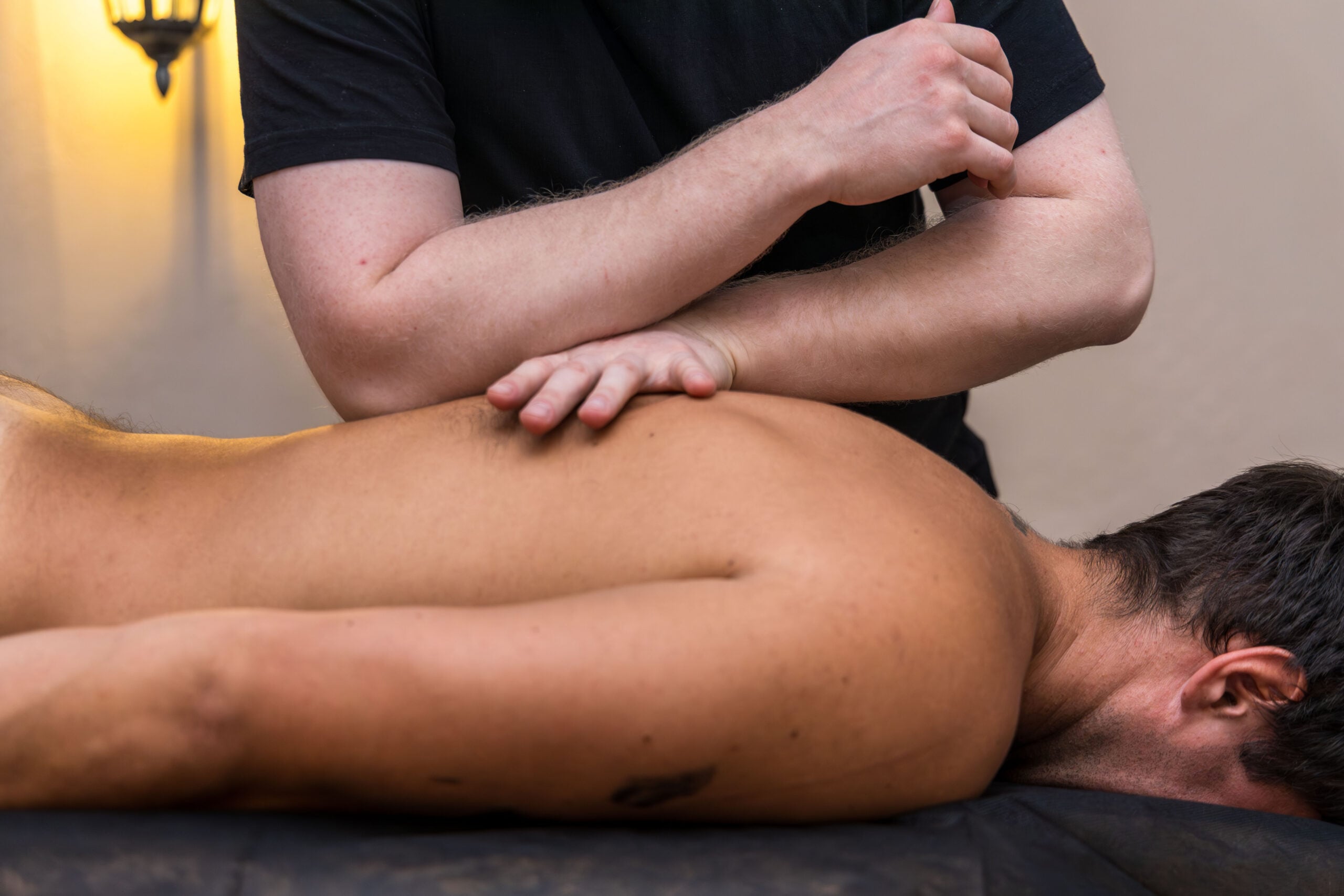
- Massage therapy does not treat MS itself, but it may help reduce muscle tension, ease stiffness, support mobility, and make day-to-day pain feel more manageable.
Why MS Pain Can Feel So Different From Person to Person
Multiple sclerosis pain can feel very different from one person to another because MS affects the nervous system in complex ways. For some people, pain feels sharp, burning, electric, or tingling. For others, it feels more like muscle stiffness, spasms, cramping, back pain, or deep fatigue-related aching.
That difference matters because MS pain can come from more than one source. Nerve-related pain may come from disrupted signals in the brain or spinal cord. Muscle pain may come from spasticity, weakness, posture changes, or the body compensating for mobility challenges.
This is why two people with MS can have the same diagnosis but need very different pain management strategies. One person may need medication support for nerve pain, while another may benefit more from hands-on care, stretching, mobility work, or massage therapy for muscle tension and stiffness.
The best treatment for MS pain usually starts with understanding what type of pain you’re dealing with and how it affects your daily life.
Common Types of Pain People With MS Experience
MS pain is not one single type of pain. It can stem from changes in nerve signaling, muscle stiffness, spasms, posture shifts, weakness, reduced mobility, or a combination of these factors. A recent review explains that MS-related pain can be neuropathic, nociceptive, nociplastic, or mixed, which is why pain management often needs to be personalized.
Neuropathic Pain
Neuropathic pain comes from changes in the nervous system itself. It may feel burning, electric, stabbing, tingling, numb, or hypersensitive to touch. This type of pain is linked to nerve damage in the brain or spinal cord, where messages can become disrupted or distorted.
Muscle Spasms and Spasticity
Spasticity can make muscles feel stiff, tight, heavy, or difficult to relax. Some people also experience painful spasms or cramps that interfere with walking, sleep, or daily movement. This type of pain often responds best to a plan that includes medical guidance, stretching, mobility work, and supportive hands-on care.
Musculoskeletal Pain
Musculoskeletal pain is pain in the muscles, joints, and soft tissues. In MS, this can happen when weakness, posture changes, altered walking patterns, or reduced movement place extra strain on the back, hips, neck, shoulders, or legs. This is where massage therapy may be especially helpful as supportive care.
Headaches, Fatigue-Related Pain, and General Tension
MS can also make pain feel worse when fatigue, stress, poor sleep, or reduced activity build up. Tension in the jaw, neck, shoulders, and back may not be caused directly by MS nerve changes, but it can still add to the overall pain load and make daily life feel harder.
Medical Treatments for MS Pain
Nerve pain, muscle spasms, stiffness, and muscle or joint pain all respond to different approaches, which is why it’s important to work with a neurologist, physician, or MS care team.
Common medical treatments for MS pain may include:
- Medications for nerve pain. These may include certain anti-seizure medications or antidepressants that help calm overactive pain signals. They are often used for burning, electric, stabbing, tingling, or hypersensitive pain.
- Muscle relaxants for spasms and stiffness. Medications such as baclofen or tizanidine may be prescribed when spasticity, cramping, or involuntary muscle tightness is contributing to pain.
- Physical therapy. PT can help improve strength, balance, mobility, gait, and flexibility, especially when pain is linked to weakness, stiffness, or movement compensation.
- Stretching and mobility programs. Gentle movement can help reduce stiffness, support the range of motion, and make daily movement feel easier.
- Pain management referrals. When MS pain is complex or difficult to control, a physician may refer the patient to a pain specialist for more targeted care.
- Medication review and symptom tracking. Since MS symptoms can fluctuate, tracking pain patterns, fatigue, sleep, stress, and triggers can help the care team adjust treatment more effectively.
Non-Drug Treatments That Can Support MS Pain Relief
Non-drug treatments can play an important role in MS pain management, especially when pain is linked to muscle tension, stiffness, posture, fatigue, or reduced movement. These approaches don’t replace medical care, but they can help support comfort, mobility, and day-to-day function.
Common non-drug options include:
- Physical therapy. PT can help improve strength, balance, walking mechanics, flexibility, and movement confidence.
- Gentle exercise. Low-impact movement such as walking, stretching, swimming, or guided mobility work can help reduce stiffness and support circulation.
- Massage therapy. Massage may help ease muscle tension, reduce stress, improve comfort, and support relaxation when pain is related to tightness or guarding.
- Heat and cold therapy. Heat may relax tight muscles, while cold may help calm irritated or inflamed areas. People with MS can be heat-sensitive, so temperature-based care should be used carefully.
- Mindfulness and relaxation techniques. Breathing exercises, meditation, and relaxation practices can help reduce stress, which often makes pain feel more intense.
- Posture and ergonomic support. Small changes to sitting, sleeping, desk setup, and daily movement habits can reduce unnecessary strain on the neck, back, hips, and shoulders.
- Energy management. Pacing activities, taking breaks, and planning movement around fatigue can help prevent pain from flaring later in the day.
When Massage Therapy May Be Especially Helpful for MS Pain
Massage therapy may be a good fit when you’re dealing with:
- Muscle tightness or guarding. When the body feels unstable, tired, or painful, muscles often tighten to protect the area. Massage can help reduce that guarding.
- Spasticity-related stiffness. Gentle hands-on work may help tight muscles relax and make movement feel less restricted.
- Neck, back, hip, or shoulder tension. Changes in posture, walking, sitting, or daily movement can place extra stress on these areas.
- Stress-related pain flare-ups. Stress can make pain feel louder and increase muscle tension. Massage gives the nervous system a chance to settle.
- Fatigue-related discomfort. When fatigue changes how you move, sit, or hold your body, certain muscles can start doing too much work.
- Pain that feels worse after long periods of sitting or reduced movement. Massage can help restore circulation, reduce stiffness, and make gentle movement feel easier again.
When to Talk to Your Doctor About MS Pain
MS pain should always be discussed with your neurologist, physician, or MS care team, especially if symptoms are new, changing, or affecting your daily function. Medical massage therapy can support comfort and mobility, but it should fit within a broader medical care plan.
Talk to your doctor if you notice:
- New or worsening pain that doesn’t feel like your usual pattern.
- Burning, electric, stabbing, or numb pain that may be nerve-related.
- Sudden weakness, balance changes, vision changes, or new mobility problems.
- Spasms or stiffness that interfere with sleep, walking, hygiene, or daily tasks.
- Pain that becomes severe, persistent, or harder to manage.
- Symptoms that may be connected to a relapse, infection, medication change, or new neurological issue.
If something feels different, don’t push through it. Get medical guidance first, then use supportive care like massage therapy when it’s appropriate for your body and your treatment plan.
Support Your MS Pain Management Plan With Hands-On Care
MS pain is complex, and the right plan often includes more than one form of support. Medication, physical therapy, stretching, movement, rest, and stress management can all play a role.
Massage therapy doesn’t treat MS itself, but it may help when pain is tied to muscle tension, stiffness, guarding, posture changes, or stress-related flare-ups.
At FixingPain Clinic, each session is tailored to your symptoms, energy level, comfort, and goals. If MS-related tension or stiffness is making daily life harder, we’re here to help your body feel more comfortable and supported.