
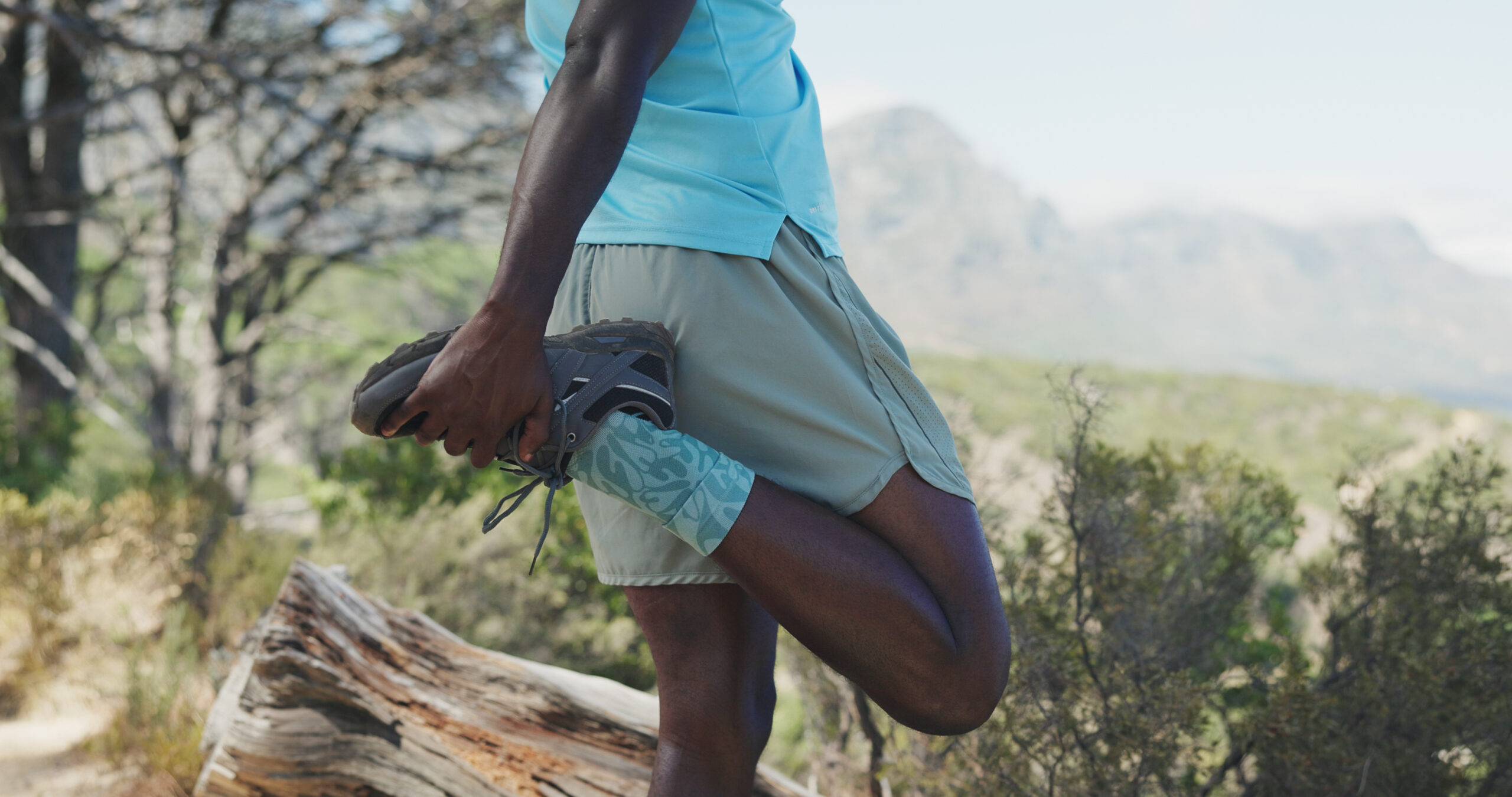
Why Your Muscles Cramp and Tighten More in Summer
You were barely active all spring. Then June hits, the weather gets better, and suddenly your weekends are full of hiking, golf, beach volleyball, running, yard work, or long walks in the heat.
By July, your calves are cramping at night. Your hamstrings feel like rubber bands. Stretching helps for a few minutes, then the tightness comes right back.
That doesn’t always mean you are injured. And it doesn’t mean you are out of shape. It’s usually just your body struggling to keep up with the demand being placed on it.
Summer changes how you move, how much you sweat, and how quickly you lose water and electrolytes. All of that affects how your muscles contract, relax, and recover.
Does Heat Make Muscles Tighter or Looser?
Heat usually makes muscles looser, not tighter. Warm tissue tends to move more easily, which is why warmups and heat therapy can help reduce stiffness.
So, if you feel tighter in summer, the heat itself is probably not the problem. The bigger issue is what comes with summer heat, including more sweat, faster dehydration, more electrolyte loss, and sudden activity spikes.
You may feel loose early in the day, then tight or crampy later because your muscles are losing fluid and minerals while doing more work than usual.
How Does Dehydration Cause Muscle Cramps and Tightness?
Dehydration makes muscle tissue less pliable and more prone to cramping. When you sweat heavily in summer, your body can lose water faster than you replace it and your muscles may not contract and release as smoothly.
Muscle tissue is mostly water, so hydration affects how well it moves. When fluid levels drop, the tissue can feel tighter, heavier, and less responsive. If that muscle is already tense from training, sitting, hiking, or overuse, dehydration can make the restriction feel worse.
Even small fluid losses can affect exercise performance and make activity feel harder. Thirst is not a perfect early warning sign either. By the time you feel thirsty, your body may already be asking for help.
That’s why you need to hydrate before your body has to chase the deficit. Drink water earlier in the day before activity. Sip during activity instead of waiting until you feel drained. Afterward, keep drinking steadily and eat a real meal so your muscles have what they need to recover.
What Role Do Electrolytes Play in Muscle Cramps?
Electrolytes help muscles contract, relax, and send signals properly. When you lose too much through sweat, the muscle firing system can become disrupted, which may contribute to cramps, fatigue, and poor recovery.
Sweat carries sodium, potassium, magnesium, calcium, and chloride out of the body. Sodium helps maintain fluid balance. Magnesium and calcium both play roles in muscle contraction and relaxation. Potassium supports nerve and muscle function. When those levels are off, you may feel tired, lightheaded, weak, foggy, or drained after activity.
Food can help. Bananas, potatoes, oranges, leafy greens, yogurt, nuts, seeds, beans, and salted meals can support electrolyte balance. Electrolyte drinks can help after heavy sweating or intense heat, but they are not magic. The goal is to replace what you lost, not overload your body with sugar or minerals you do not need.
Why Do People Get More Muscle Pain When They Increase Activity in Summer?
People get more muscle pain in summer because they often increase activity faster than their tissues can adapt. Your soft tissue is suddenly asked to handle more load, more repetition, and more heat.
This is common for weekend warriors. You may sit more during winter and spring, then jump into long hikes, pickleball, golf, running, swimming, or outdoor projects. Your cardio may feel fine, but your soft tissue may not be ready.
Delayed onset muscle soreness usually feels like general soreness that peaks a day or two after activity. Actual tightness often feels more specific. A calf keeps grabbing. A hip will not open up. A hamstring feels stuck no matter how much you stretch.
Stretching alone does not always fix this because the issue is not only length. Overloaded tissue can develop trigger points, fascial restrictions, guarding, and compensation patterns. That’s where hands-on soft tissue work makes sense.
Can Massage Therapy Help With Summer Muscle Cramps and Tightness?
Yes, massage therapy can help when summer muscle cramps and tightness come from overuse, accumulated tension, or soft tissue restriction. It helps release areas that stretching may not reach.
Sports massage therapy in Pleasanton is especially useful when the problem comes from increased activity. It can target the areas taking extra load from summer sports and outdoor movement.
Myofascial release therapy goes after the connective tissue surrounding muscles. Sometimes the restriction is in the fascia, and slow, sustained pressure can help restore better glide and movement.
A single session after a high-activity stretch can help reset irritated tissue. At FixingPain Clinic in Pleasanton, we use sports massage, myofascial release, and other soft tissue techniques to help athletes, hikers, active families, runners, golfers, and weekend warriors work through the restrictions behind the cramps and tightness.
What Can You Do at Home to Reduce Summer Muscle Tightness?
You can reduce summer muscle tightness by hydrating early, replacing electrolytes after heavy sweating, warming up before activity, and giving your body enough recovery. Stretching helps, but it works best when the tissue is hydrated, warm, and not overloaded.
Drink water before activity, not just during it. Take small regular sips while moving. Afterward, keep fluids going and eat a real meal with sodium, potassium, protein, and carbohydrates.
Warm up before you ask your body to perform. Five to ten minutes of easy movement can change everything. Walk before you run. Move your hips, ankles, and shoulders before golf or volleyball.
Foam rolling can help between massage sessions. Keep it controlled and specific. You are trying to create input, improve circulation, and reduce some of the tone that builds up from repeated activity.
Do not ignore sleep. Hot nights can disrupt sleep quality, and poor sleep makes recovery harder. If stretching gives only temporary relief, stop forcing it. The tissue may need direct soft tissue work instead of more pulling.
When Should You See a Massage Therapist for Muscle Cramps and Tightness?
You should see a massage therapist when cramps keep returning in the same muscle, tightness doesn’t improve with hydration and rest, or pain starts affecting sleep, movement, or performance. Repeated tightness usually means there is a pattern your body is not fixing on its own.
If you have tried two weeks of hydration, rest, gentle movement, and stretching and the same area still feels stuck, get it checked. Athletes should also pay attention when performance starts dropping or the same muscle cramps occur every time they train.
If your muscles aren’t responding to hydration, rest, and stretching, a session at FixingPain Clinic in Pleasanton can help get to the root of what is holding them back. Book online and let’s fix pain together.