
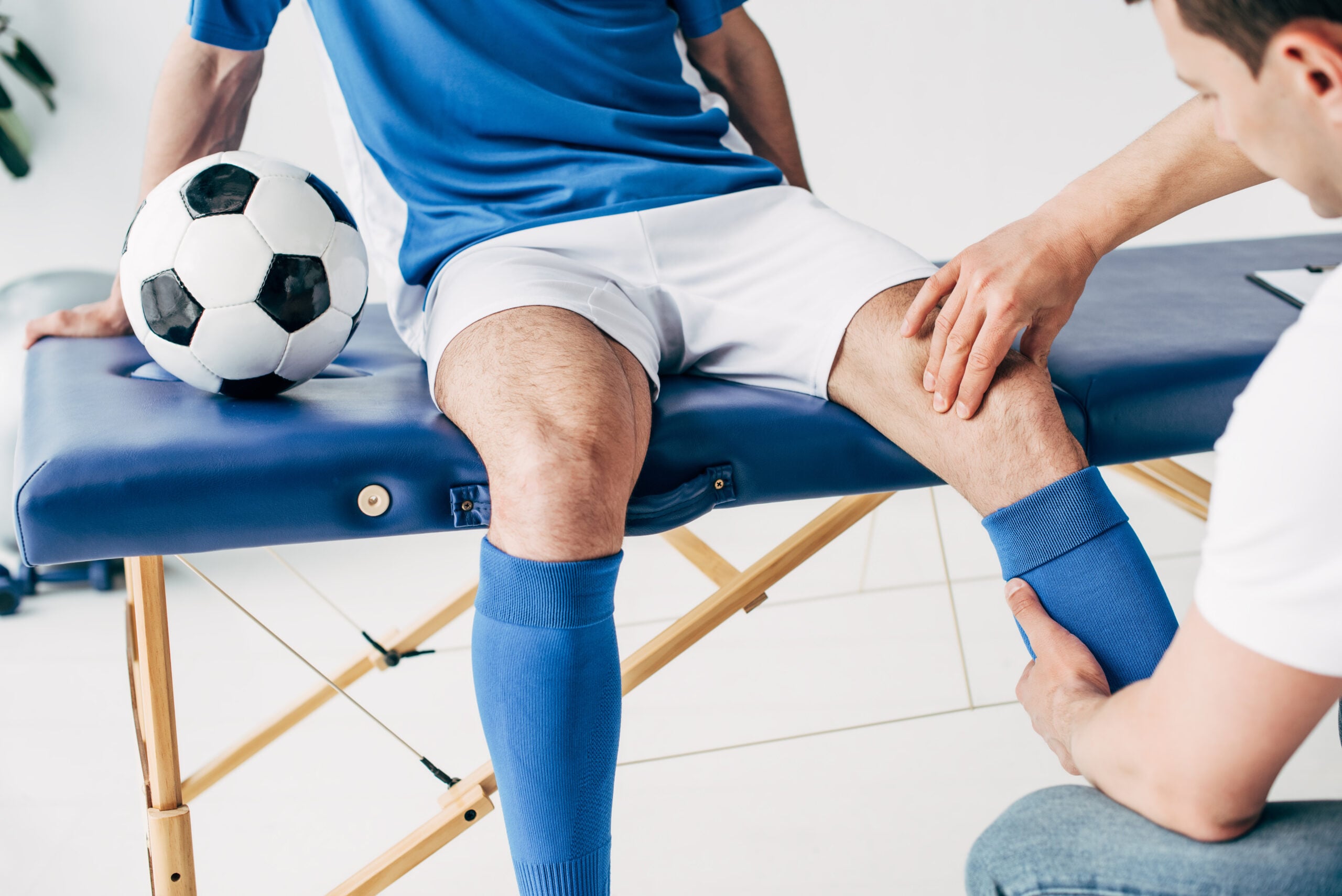
Massage Therapy vs. Physical Therapy for Pain and Recovery
- Physical therapy helps rebuild strength, stability, function, and movement after injury, surgery, or a medical condition.
- Massage therapy works on soft tissue restrictions, muscle tension, fascia, trigger points, and pain patterns that keep the body from moving freely.
- Many people need both, especially after ACL surgery, sports injuries, stalled rehab, or lingering pain after physical therapy.
When Rehab Is Working But Pain Still Lingers
A high school soccer player tears her ACL in the spring. Surgery goes well, and her doctor says physical therapy is mandatory after reconstruction.
She does everything right. She shows up for PT, follows the exercises, and spends months rebuilding strength in her knee. Her joint is stable, but her hamstrings are locked up, her hip flexors stay tight, and she still can’t run at full speed without pain.
That doesn’t mean PT failed. It may mean the surrounding soft tissue needs attention, too.
At FixingPain Clinic in Pleasanton, we hear this question all the time. Do I need massage therapy, physical therapy, or both? The honest answer depends on what your body needs right now.
What Does Physical Therapy Do?
Physical therapy is a structured rehabilitation process that helps restore strength, movement, balance, and function after injury, surgery, or illness.
A physical therapist evaluates how your body moves, identifies weakness or instability, and builds a progressive plan around exercises, stretching, mobility work, and strengthening.
Physical therapy is usually the right call when:
- You had ACL reconstruction or another joint surgery.
- Your doctor prescribed rehab after an injury.
- You have severe joint instability.
- You had a traumatic injury that needs formal rehab.
- You have a neurological condition affecting movement.
- You need a diagnosis or structured movement assessment.
PT is methodical and progressive. It often takes weeks or months because the body needs time to rebuild strength and coordination. For an ACL patient, PT teaches the knee and the rest of the body how to work together again. For shoulder surgery, it helps restore control for lifting, reaching, and daily movement.
What Does Massage Therapy Do?
Medical massage therapy works with the soft tissue. That includes muscles, fascia, tendons, trigger points, and the nervous system.
Where PT focuses on rebuilding function, massage therapy helps release what may be holding the body back from responding to that rehab.
At FixingPain Clinic, massage therapy is not spa-style relaxation work. We use clinical, outcome-focused bodywork to help people move better, feel better, and get back to doing what they love.
That may include sports massage, myofascial release, trigger point therapy, and Active Release Technique.
Massage therapy is usually the right call when:
- You have chronic muscle tension that will not release.
- Your fascia feels restricted and limits your range of motion.
- You deal with TMJ pain or jaw tension.
- You get tension headaches from neck and shoulder tightness.
- You are recovering from a sports injury..
- You finished PT but still feel tight or restricted
- Your PT exercises are hard to perform because the tissue feels locked up.
PT and massage are not competing with each other. They are looking at the body from two different angles. The real question is what your body needs right now.
Can PT and Massage Work Together?
ACL recovery is one of the clearest examples of why these two approaches often work better together.
After ACL reconstruction, PT is essential. Surgery repairs the structure, but PT rebuilds strength, stability, and movement around the knee.
During recovery, however, the surrounding tissue can become extremely tight. The hamstrings may guard the knee. The quads may overwork or shut down. The calves, hip flexors, and IT band may start compensating. The healthy side may also carry more of the load.
PT exercises are designed to rebuild movement, but tight tissue can make those exercises harder to perform well.
Before Surgery or Early Recovery
Soft tissue work may help reduce tension around the knee and keep the body from building stronger compensation patterns. This should always respect the medical recovery plan.
Massage therapy may help by supporting tissue mobility, reducing guarding, and keeping the surrounding muscles from tightening more than they need to.
During Active PT
Sports massage and myofascial release therapy can support tissue health while the body is rebuilding strength. Active Release Technique may also help address adhesions and restrictions that make movement feel blocked.
This can be especially helpful when tight hamstrings, hip flexors, or calves make PT exercises feel painful or limited.
After PT
Many people finish PT and are structurally cleared, but they still don’t feel fully recovered. They may have lingering tightness, uneven movement, or discomfort when they return to sport.
Massage therapy can help address that residual soft tissue tension so movement feels more natural again.
Youth Athletes and ACL Recovery in Pleasanton
Pleasanton and the Tri-Valley are full of competitive youth soccer, basketball, volleyball, and lacrosse players. For these athletes, an ACL injury can affect more than one season. It can affect confidence, training rhythm, and how safe they feel returning to sport.
For a teenage athlete, recovery is not only about the knee. The whole body has to learn how to move well again.
A soccer player may complete PT but still feel tight through the hips and hamstrings. A basketball player may regain strength but still land differently. A volleyball player may return to jumping but feel restricted through the calves or quads.
This is where the combination can matter.
Physical therapy rebuilds the foundation. Massage therapy supports the soft tissue around that foundation so the athlete can move more freely.
If your athlete is in ACL recovery and progress has plateaued, soft tissue work may be the missing piece.
Other Conditions Where PT and Massage Can Work Together
ACL recovery is not the only situation where both approaches may help. Other conditions include:
Rotator Cuff Repair
PT helps rebuild shoulder strength and control. Massage therapy may help release tightness in the chest, neck, upper back, and shoulder tissue that often builds during recovery.
Chronic Low Back Pain
PT may focus on core strength, hip stability, and movement habits. Massage therapy can help release tightness in the lumbar fascia, glutes, and hip flexors.
Plantar Fasciitis
PT may work on gait, foot mechanics, and strengthening. Massage therapy can address tight calf and fascial tissue that may contribute to heel pain.
Post-Surgical Scar Tissue
Exercise matters, but myofascial release therapy and hands-on soft tissue work may help address restrictions that exercise alone may not fully resolve.
When to Choose Physical Therapy
Choose physical therapy when you need formal rehab, medical guidance, or a structured recovery plan.
That usually includes surgery, traumatic injury, severe instability, neurological symptoms, or a doctor’s referral. If a surgeon or physician tells you to do PT, that should be part of your recovery.
Physical therapy is also the better starting point when you need progressive strengthening, movement testing, or a formal return-to-activity protocol.
When to Choose Massage Therapy
Choose massage therapy when pain seems connected to muscle tension, fascia restriction, soft tissue tightness, or recurring movement limits.
This can include neck and shoulder pain, TMJ tension, sports soreness, limited range of motion, tension headaches, or lingering tightness after PT.
Massage therapy may also be helpful if you are an athlete trying to recover between training sessions, manage tissue stress, or keep a minor problem from becoming a bigger one.
When You May Need Both
You may need both if recovery is more complex than one approach can fully address.
This is common when:
- You are recovering from ACL surgery or another joint procedure.
- Your PT progress has stalled.
- You finished PT but still don’t feel right.
- Your tissue feels too tight to move well.
- Pain keeps returning in the same pattern.
- You are trying to return to sport safely.
The goal is not to add more appointments to your life. The goal is to choose the right support at the right time.
What We Do at FixingPain Clinic in Pleasanton
FixingPain Clinic is not a spa. It’s a place for people who are dealing with real pain and want a clear plan to move better.
Shawn Brock brings more than 25 years of hands-on experience to athletes, weekend warriors, desk workers, older adults, and people who have tried other approaches but still feel stuck.
Services include sports massage therapy, myofascial release, Active Release Technique, and TMJ treatment. Each session is built around what your body needs, not a one-size-fits-all routine.
If you are recovering from an ACL injury, finishing a PT protocol, training through sports pain, or dealing with chronic tightness that will not quit, Shawn can assess what’s happening and help you decide what kind of care makes sense.
Massage therapy and physical therapy don’t need to compete. Your body may need strength, structure, soft tissue work, or a combination of all three.
Book your session at FixingPain Clinic in Pleasanton and let’s fix pain together.