
Why Personalized Pain Care Is the Future of Pain Management
- Personalized pain care treats the specific causes of pain in each individual rather than applying the same treatment to everyone.
- By combining therapies such as Active Release Techniques (ART), SoftWave Therapy, and sports massage, clinicians can address multiple drivers of pain at the same time.
- This precision approach helps improve mobility, reduce recurring pain patterns, and support longer-lasting relief compared to standardized treatment plans.
Why Pain Is Often More Complex Than It Appears
Pain rarely comes from just one source. Muscles, fascia, nerves, joints, posture patterns, stress, and movement habits can all contribute to the same symptom. That’s why pain often feels confusing. The area that hurts is not always the place where the problem started.
Many standardized treatments are designed to work for the majority of people. They follow general protocols that help common conditions. For some individuals, those approaches provide relief.
But you are not the majority. You are you.
Your pain history, daily habits, movement patterns, injuries, stress levels, and tissue restrictions are unique. Two people can have the same symptom, like shoulder pain or headaches, yet require very different treatments to resolve it.
That’s why personalized pain care is becoming more important. Instead of applying the same treatment to everyone, clinicians evaluate how your body moves and where tension patterns are developing. From there, treatment can target the specific tissues and movement restrictions contributing to your pain.
When the real drivers of pain are addressed, relief tends to last longer and the body begins to move more naturally again.
How Personalized Pain Care Helps
Personalized pain care focuses on treating the specific factors contributing to your chronic pain rather than applying the same treatment to everyone. Instead of assuming the source of discomfort, clinicians assess how your body moves, where tension is building, and which tissues are overloaded or restricted.
This approach allows treatment to target the actual drivers of pain. For example, neck pain may involve tight fascia in the chest, nerve irritation in the shoulder, or postural strain from desk work. Addressing those contributors together often produces better results than treating only the painful area.
Personalized care also allows treatments to work together. Techniques like ART, SoftWave Therapy, and targeted massage therapy can address different aspects of the problem, such as tissue restriction, inflammation, and muscle tension.
By adapting treatment to your body’s response and progress over time, personalized pain care helps restore movement, reduce recurring pain patterns, and support longer-lasting relief.
How Combined Therapies Can Address Multiple Causes of Pain
Pain rarely comes from a single source. Muscle tension, fascial restriction, nerve irritation, inflammation, and movement dysfunction can all contribute to the same symptom. That’s why combining therapies often produces better results than relying on one treatment alone.
At FixingPain Clinic, treatment plans may include multiple techniques designed to address different contributors to pain. These hybrid treatments allow clinicians to target nerve-related pain, tissue restriction, inflammation, and movement limitations together rather than treating each problem in isolation.
Sports Massage Therapy
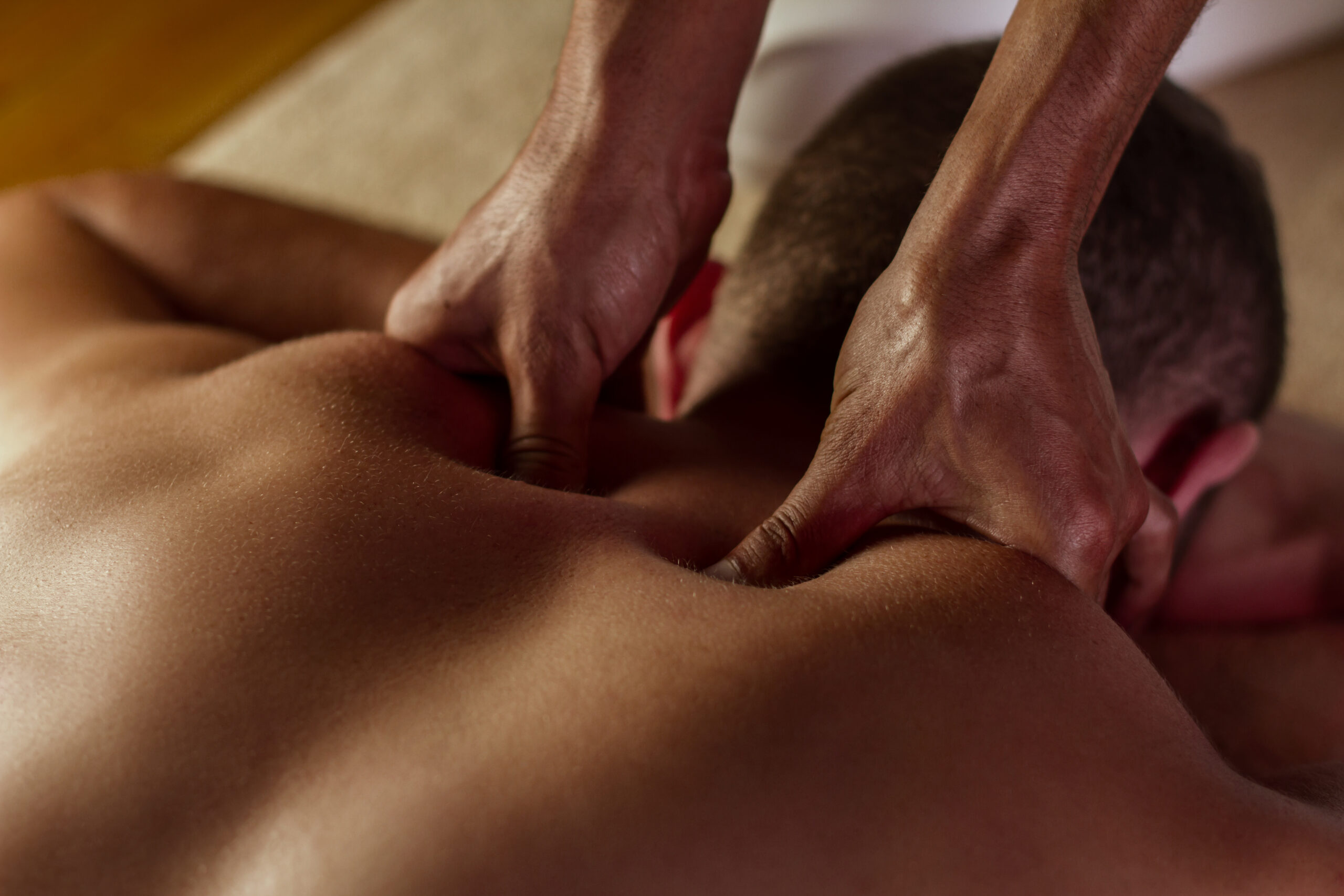
Sports massage therapy focuses on releasing tight muscles, improving circulation, and restoring normal movement patterns. Techniques such as trigger point therapy, stretching, and myofascial work help reduce tension that can contribute to pain and mobility restrictions.
This approach is especially helpful for people experiencing recurring tightness, postural strain, or muscle overload from work, exercise, or daily activities.
Active Release Techniques
ART targets scar tissue and soft tissue adhesions that can limit mobility and irritate nerves. During treatment, the therapist applies precise pressure while the affected muscle moves through a controlled range of motion.
This technique helps restore normal tissue glide, reduce nerve compression, and improve how muscles function during movement.
SoftWave Therapy
SoftWave Therapy uses acoustic wave technology to stimulate tissue repair and reduce inflammation. The treatment encourages increased blood flow and cellular activity in damaged or irritated tissues, supporting the body’s natural healing response.
When combined with hands-on therapies, SoftWave Therapy can help accelerate recovery, reduce chronic pain, and improve overall tissue health.
Conditions That Often Benefit from Personalized Pain Care
Personalized pain care is especially helpful when symptoms are persistent, complex, or linked to multiple contributing factors. Because treatment is tailored to how your body moves and responds, it can address the underlying tension patterns that standard treatments sometimes miss.
This approach is commonly used for conditions such as:
- Chronic neck and shoulder tension
- Low back pain and stiffness
- Sciatica or nerve-related pain
- TMJ-related jaw tension and headaches
- Sports injuries and overuse injuries
- Postural pain from desk work or device use
- Hip tightness and mobility limitations
- Recurring muscle strains or soft tissue injuries
- Headaches linked to muscle tension
- Pain that keeps returning despite previous treatment
The Future of Pain Management Is Precision Treatment
Pain care is shifting toward precision treatment that focuses on the individual rather than the average patient. Instead of repeating the same protocol for every condition, clinicians are increasingly using assessments, movement analysis, and combined therapies to identify what’s actually driving pain.
This approach allows treatment to target the specific tissues, movement patterns, and stress factors contributing to discomfort. By adapting care to how each person’s body responds, precision treatment helps improve mobility, reduce recurring pain patterns, and support longer-lasting results.
Who Is a Good Candidate for Personalized Pain Care?
Personalized pain care is often the best fit for people whose symptoms feel persistent, complex, or difficult to resolve with a single treatment approach. Because care is tailored to your specific movement patterns, tissue restrictions, and lifestyle factors, it can address multiple contributors to pain at the same time.
You may be a good candidate if you:
- Have chronic pain that keeps returning despite previous treatments.
- Feel pain that shifts between areas such as the neck, shoulders, or back.
- Experience recurring tightness related to posture, work, or daily habits.
- Have sports injuries or overuse injuries that have not fully healed.
- Notice limited mobility or stiffness during movement.
- Want a non-invasive approach before considering injections or surgery.
A More Personalized Approach to Pain Relief
Pain is rarely simple and treatment should reflect that reality. When care is personalized, clinicians can identify the specific tissues, movement patterns, and stress factors contributing to discomfort rather than relying on the same approach for everyone.
At FixingPain Clinic in Pleasanton, treatment plans are built around how your body moves and responds. By combining therapies such as ART, SoftWave Therapy, and targeted massage, care can address multiple drivers of pain at the same time.
If pain keeps returning despite previous treatments, a personalized approach may help uncover what’s causing the problem and guide the right treatment plan.